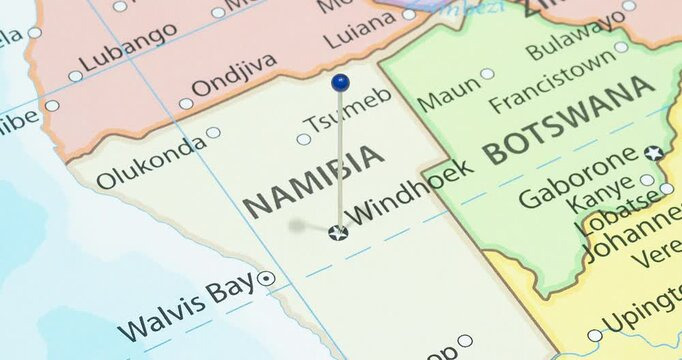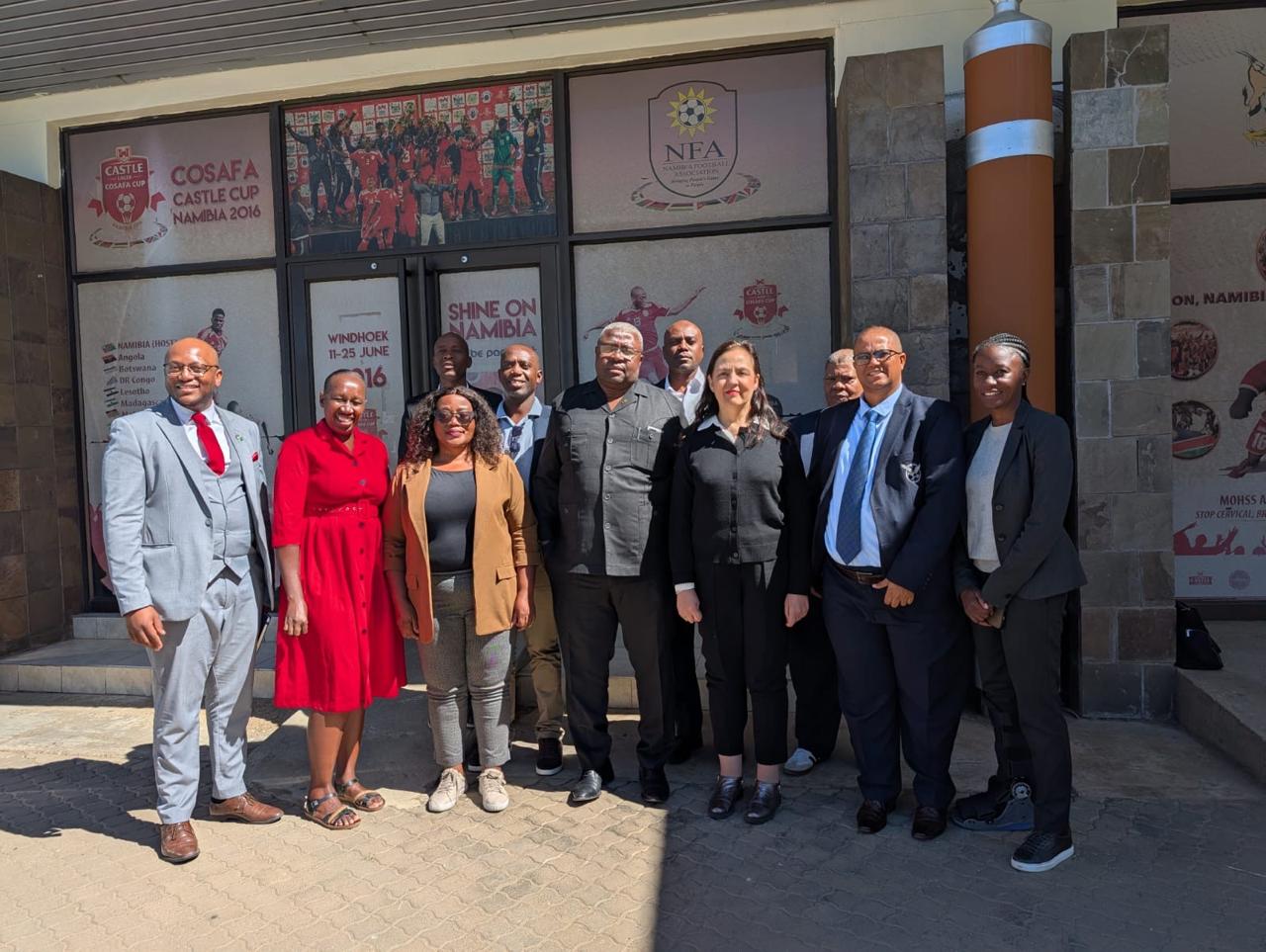

From 6 to 8 May, we carried out a working mission to Namibia — one of the countries within the Embassy’s jurisdiction — with the aim of strengthening the bilateral agenda and identifying new opportunities for cooperation.
The agenda included meetings with government authorities, technical bodies, private sector associations, and stakeholders linked to the country’s productive and social development.
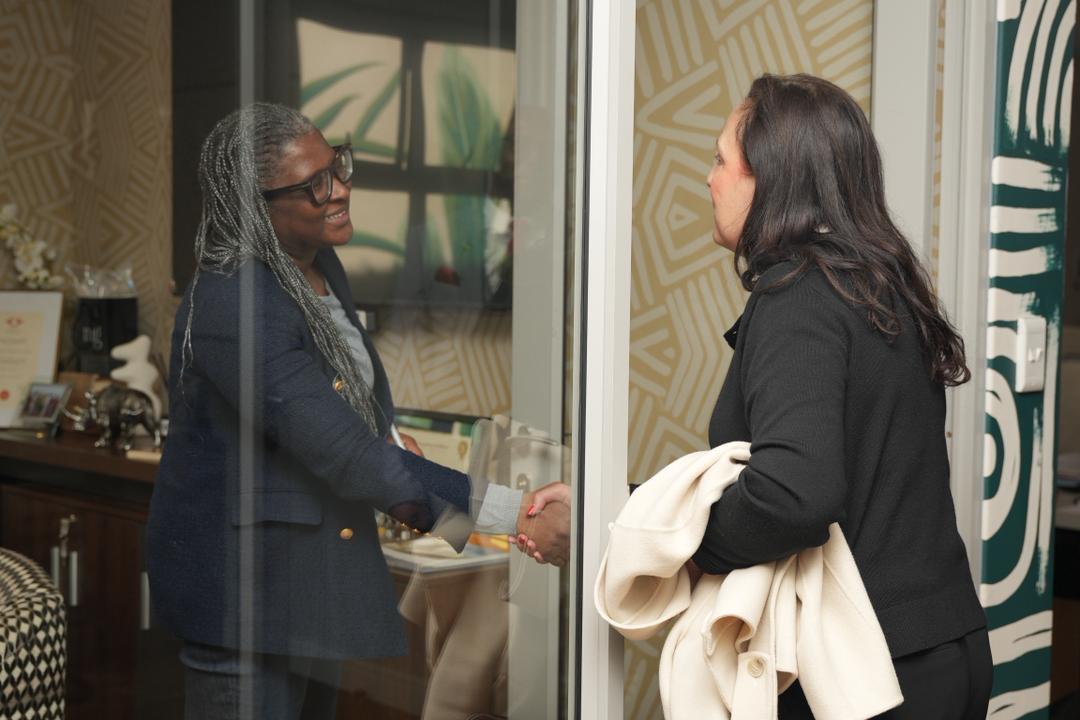
On the diplomatic front, a meeting was held with the Namibian Ministry of International Relations and Trade, during which the state of the bilateral relationship was reviewed.
The sanitary agenda occupied a central place during the visit. A meeting was held with Namibia’s Veterinary Services, with the participation of the Foot-and-Mouth Disease Task Team and the Regulatory Council, the body responsible for veterinary licensing. Namibian authorities and representatives of the private sector highlighted Argentina’s experience in the control and eradication of foot-and-mouth disease, and concrete possibilities for technical cooperation and institutional engagement were explored.
Along the same lines, meetings with the Livestock and Livestock Products Board, which brings together private meat producers, identified opportunities for joint work in animal and plant genetics, cattle production, and the development of agro-industrial value chains.
Meetings were also held with the Namibian Investment Promotion and Development Board, as well as with the Namibian Chamber of Commerce and Industry, where both sides agreed on the need to increase the volume of bilateral trade.
The mission also made it possible to identify opportunities for Argentine companies linked to agricultural machinery, implements, and equipment for the food industry.
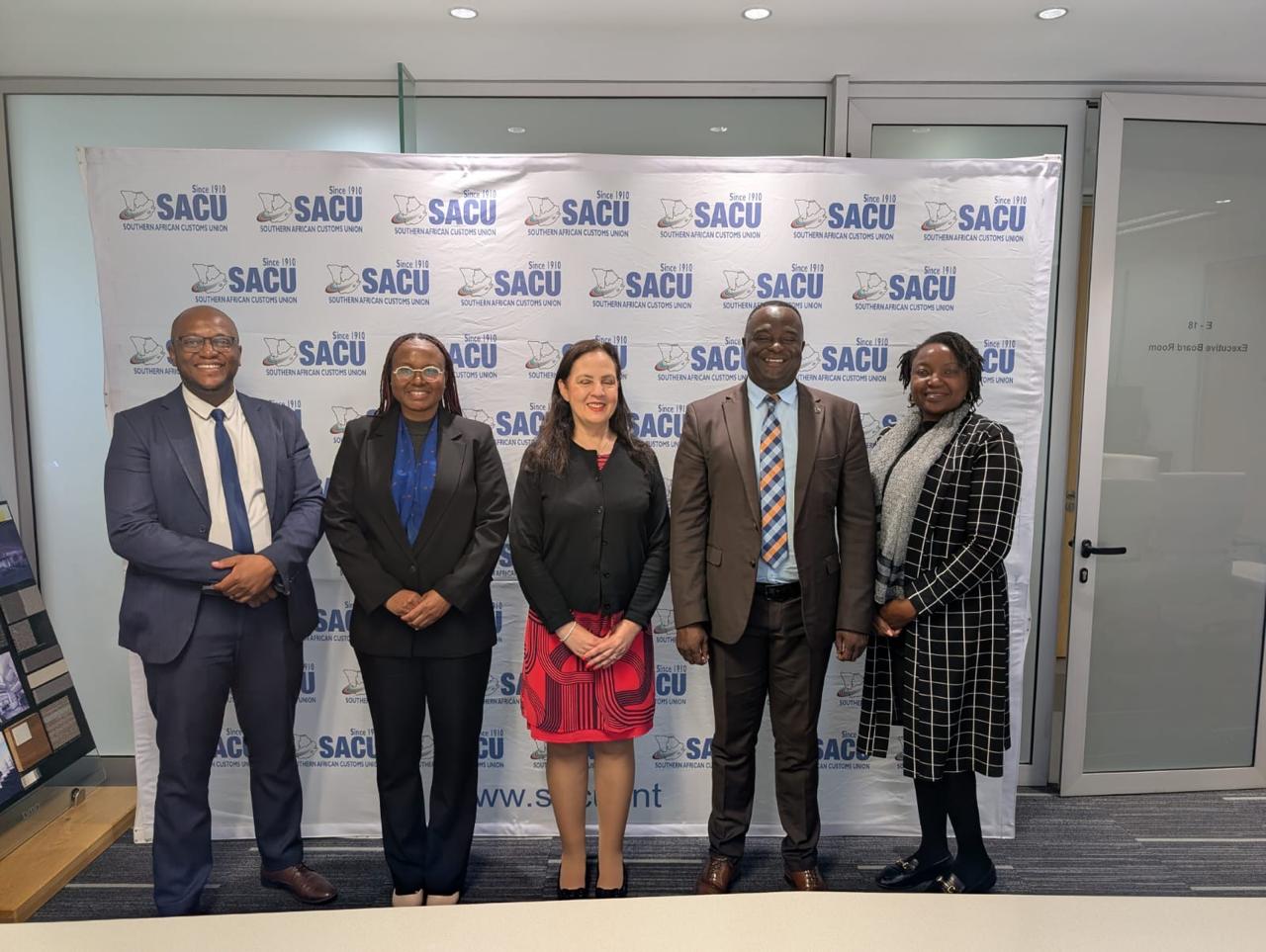
The economic agenda further included a meeting at the Secretariat of the Southern African Customs Union, where matters of interest related to the Mercosur-SACU Agreement in force since 2016 were reviewed.
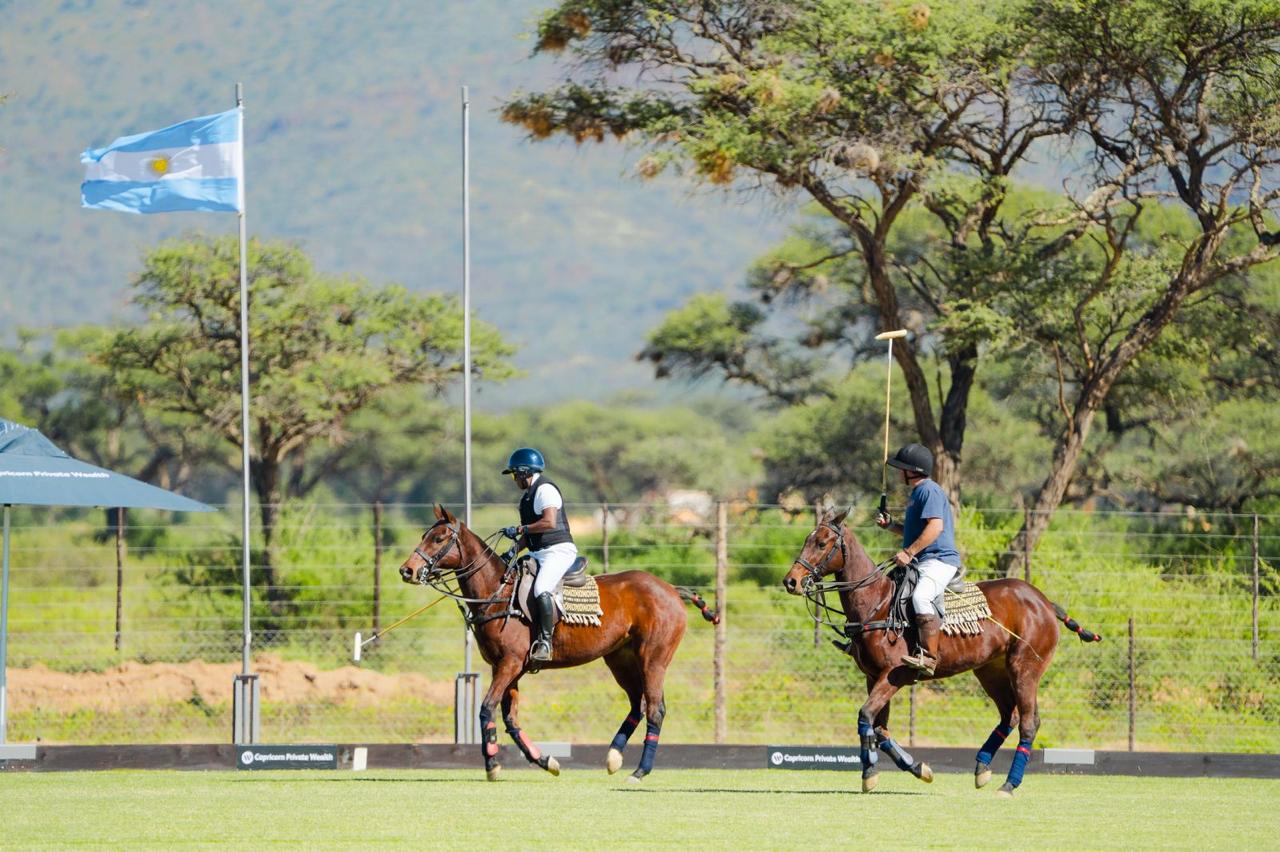
Finally, we visited La Muela Polo Club, the first polo club in Namibia, located on the outskirts of Windhoek. The project, launched three years ago, already involves Argentine horses, equipment, and professionals, opening opportunities for exports, tourism, and high value-added services linked to the sport.
The mission helped consolidate institutional and business contacts, while continuing to position Argentina as a partner in agro-industry, sanitary matters, and technology with Namibia and Southern Africa.